
Legend of the Phoenix
Modo GlobalRole Playing
4.14.16K Reviews
- Version
- Varies With Device
- Installs
- 10.00M
- Age Rating
- Everyone 10+
Screenshots
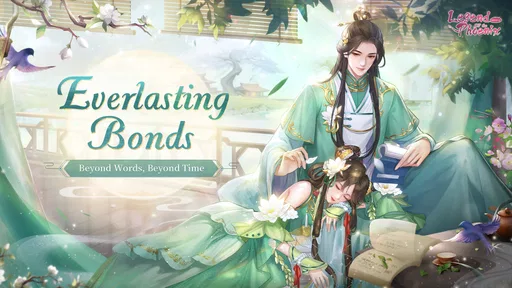
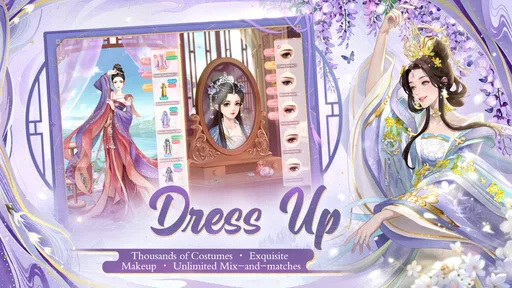
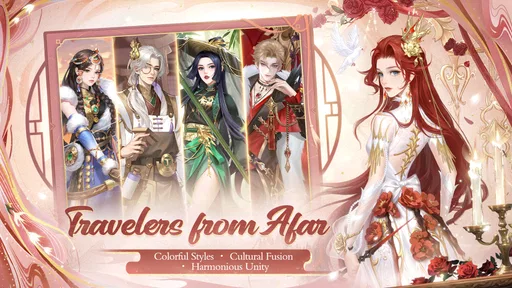
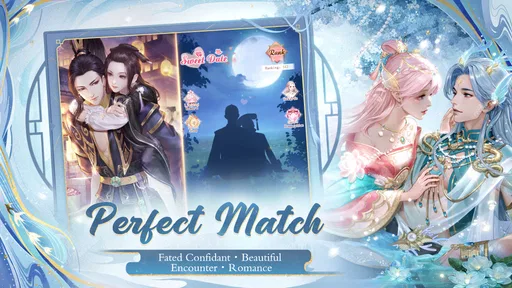

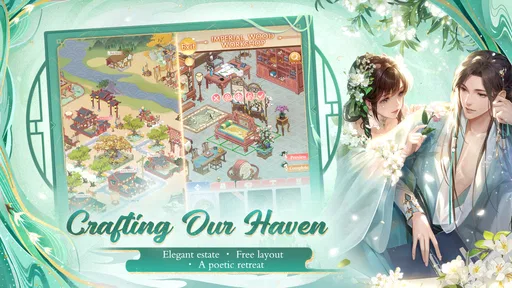

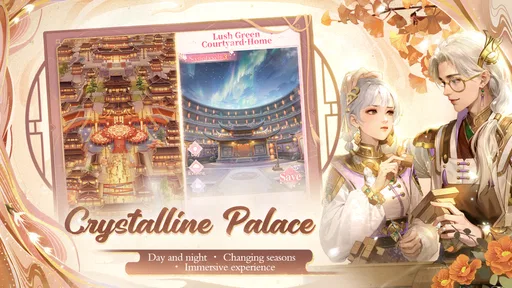
Our Review of Legend of the Phoenix
 Analysis by Appyee
If you enjoy stories built around romance, court politics, and character choices, this is the kind of role-playing game I’d consider for short, regular play sessions. I find its appeal less about mastering a complicated battle system and more about following a heroine through palace life, shaping her presentation, and balancing story progress with other activities. That focus makes it distinct from fantasy RPGs centered on combat, though it also means it may not suit someone looking for constant action.
Who may enjoy its palace setting
Legend of the Phoenix is a good fit if you like historical romance, character styling, and stories that give you decisions to think about between chapters. It is also approachable in concept for players who want an RPG that is not defined only by fighting. I would be less likely to recommend it to someone who wants a tightly paced, fully self-contained novel or a game where every session is driven by direct action. Here, the story sits alongside progression systems and social activities, so your attention may shift between different kinds of play.
A realistic way to use it is to read a little of the palace story during a quiet break, then return later to check character development or take part in other available activities. That rhythm suits a phone game: you do not have to treat every visit as a long, uninterrupted session. At the same time, players who dislike switching between narrative and progression tasks may find the pace less focused than a dedicated interactive-fiction game.
Readability and navigation in story-heavy play
The central story is the clearest route into the experience. Chapters give the game a narrative shape, while palace scenarios provide the context for character relationships and decisions. I find that structure easier to follow than a role-playing game that throws a large world and many objectives at you immediately. If you are returning after a break, following the story is a sensible way to reorient yourself before spending time on other parts of the game.
The visual presentation is an important part of the experience, but it also affects how you read the game. Elaborate costumes and detailed backgrounds make scenes feel distinctive; they are not just decoration when clothing collection and upgrades are part of progression. My practical suggestion is to give story scenes your attention when you want to follow character motives, rather than tapping through everything quickly. The choices and relationships are part of the appeal, and rushing can make the narrative feel more like a checklist.
The game’s multiple activity types can be a benefit if you enjoy variety, but they may make the overall routine feel busy. I would approach it by choosing one priority for each visit: continue a chapter, work on attire, or handle a strategic task. That keeps the experience manageable and helps prevent optional progression from crowding out the story you came to see.
Motor and sensory considerations
Because the experience combines reading, selecting choices, managing resources, and playing mini-games, it asks for more than one kind of attention. A player who enjoys deliberate, menu-based decisions may appreciate the slower strategic side. Someone who prefers simple, uninterrupted reading might find the additional tasks distracting, while a player seeking fast reflex challenges may find the narrative sections too prominent. The mix is part of the game’s identity, not a mode that every player will want equally.
The detailed art can make character outfits and palace scenes enjoyable to look at, but a visually rich presentation is not automatically easy for everyone to process. If small interface elements or dense screens are tiring for you, it is worth trying the game on your own device before committing to a regular routine. I would also avoid playing story scenes when you need to divide your attention: the romance and court intrigue make more sense when you can focus on the dialogue and choices.
For motor comfort, the best fit depends on how you feel about repeated taps and moving between different activities. The game asks players to make choices and manage progression, so it is not simply a passive story. I would not assume that every task feels equally comfortable across devices or for every player. A brief first session is a useful way to judge whether the interaction style works for you, especially if long stretches of tapping are difficult.
Situational access and a sustainable routine
This is a game I would save for a moment when I can read without rushing, such as a break at home or a quiet commute where looking at a screen is practical. Its story and character development make it less suitable for moments when you need to respond immediately to people around you. If you only have a short pause, focus on one clear task instead of trying to advance the story, improve attire, and keep up with every social activity at once.
For a new player, I would first follow the narrative and learn how the palace progression works before treating every event or social feature as essential. Then, once the main routine feels familiar, you can decide which side activities genuinely add to your enjoyment. This is a useful trade-off: broad activity variety offers more ways to engage, but trying to do everything can make a relaxing romance game feel like a list of obligations.
It is free to start, and its age rating is Everyone 10+. The game is published by Modo Global and is listed as a role-playing title. It has an average rating of 4.1 from around 167,000 ratings, with over 10 million installs. Optional in-app purchases range from $0.29 to $149.99 per item, so I would treat spending as a personal choice rather than a requirement for enjoying the story. If you prefer games with no purchase prompts or progression tied to optional spending, that is a reason to approach cautiously and decide your limits before playing.
Where it differs from other role-playing games
Compared with a conventional combat-led RPG, this game puts palace relationships, clothing, and story progression closer to the foreground. That is a strength if you want romantic drama and character presentation to matter; it is a weakness if you expect tactical battles to be the main attraction. Compared with a straightforward visual novel, it adds resource management, character development, mini-games, and social play. The result is broader, but less purely focused on reading than a novel-style alternative.
That comparison also helps answer whether it is right for a particular player. If your priority is an interactive romance with extra progression to work on between chapters, the blend can keep each return varied. If you want to finish a story in a few concentrated sittings, or dislike systems that ask you to manage resources alongside narrative choices, a simpler story game may be a better match. I would choose based on whether you enjoy the ongoing routine as much as the plot itself.
Story, presentation, and palace progression
First things first, the storytelling in Legend of the Phoenix is top-notch. The narrative is engaging, filled with unexpected twists and turns that keep you hooked from one chapter to the next. You play the role of a young woman who aims to navigate the intricacies of palace life. What’s cool is that your choices really matter, and they affect how the story unfolds.
The visuals are nothing short of stunning. The developers have paid meticulous attention to detail, from the elaborate costumes to the beautifully designed backgrounds. It's like stepping into a living painting every time you open the app. The aesthetic truly complements the immersive storytelling, making the whole experience feel authentic and vibrant.
Character Customization and Development
One of the features I really enjoyed is the character customization. You can dress your character in a variety of traditional outfits, which, let’s be honest, is half the fun. The game allows you to collect and upgrade attire, adding another layer of engagement as you progress through the story.
Moreover, character development is a key component. You’re not just dressing up a doll; you’re evolving a character. As you navigate through the different court scenarios, you develop your skills and relationships with other characters, each with their unique backstories and personalities.
Strategic Gameplay
Beyond the narrative, the game incorporates strategic elements that keep you on your toes. You need to manage your resources wisely and make strategic decisions to rise through the ranks of the palace. It’s not just about looking pretty; it’s about being smart and strategic too.
There are also various mini-games that add a fun twist, providing a break from the main storyline while still contributing to your overall progress. These elements add depth to the gameplay, ensuring you’re always engaged.
Community and Social Interaction
Another aspect worth mentioning is the social component. You can connect with other players, join clans, and engage in events. It’s nice to feel like you’re part of a community, sharing tips and strategies, or even just chatting about the latest plot twist.
The game regularly hosts events and updates, keeping the content fresh and giving you reasons to come back. It's a vibrant community that adds a social dimension to the game, making it more than just a solo experience.
Verdict for different players
In conclusion, Legend of the Phoenix is a gem for anyone who enjoys a blend of historical romance and strategy. The combination of immersive storytelling, stunning visuals, and strategic gameplay makes it a standout app. Whether you’re a casual player or someone who loves diving deep into character-driven narratives, this game offers something for everyone.
So, if you’re ready to embark on a journey through time and explore the world of ancient Chinese court life, give Legend of the Phoenix a try. Trust me, you won’t be disappointed!
My recommendation comes with a clear qualification: go in for the court drama, outfits, and steady character progression, not for a pure action RPG or a short, uninterrupted novel. The game’s mix of storytelling and management is its defining trade-off. I would start with modest expectations, see whether the chapter-and-activity rhythm suits your day, and keep optional spending within a limit that feels comfortable. For players who enjoy returning to a continuing palace story, that balance can make it a pleasant companion; for anyone who finds layered tasks or ornate screens tiring, a more focused alternative will likely feel easier to live with.
Verdict
Strengths of Legend of the Phoenix
- Engaging storyline with intricate plot twists.
- Beautifully designed characters and artwork.
- Frequent updates with new content and events.
- Smooth gameplay with intuitive controls.
- Rich, immersive soundtracks enhance the experience.
Limitations of Legend of the Phoenix
- Requires stable internet connection to play.
- Energy system limits extended play sessions.
- In-app purchases can be quite expensive.
- Some features are initially confusing to navigate.
- Occasional lagging on older devices.
Other Releases by Modo Global
View All
My Garden Tale
Simulation4.4
Similar Picks in This Category
View All
Hair Dye
CrazyLabs LTD4.4

Monster High™ Beauty Salon
CrazyLabs LTD4.5

Bus Simulator - Bus Games 3D
Jima Apps4.4

Flight Pilot: 3D Simulator
Wildlife Studios4.1


Super Stylist Fashion Makeover
CrazyLabs LTD4.4
Frequently Asked Questions
What is Legend of the Phoenix and what can players expect from it?
Legend of the Phoenix is a story-driven simulation game set in ancient China. Players can expect a rich narrative experience filled with romance, intrigue, and strategic decision-making. The game allows players to explore various storylines, develop relationships, and make choices that influence the outcome of the story. It combines elements of role-playing and visual novels, offering a unique blend of gameplay and storytelling.
Is Legend of the Phoenix free to play, and are there any in-app purchases?
Yes, Legend of the Phoenix is free to download and play. However, it does offer in-app purchases that allow players to acquire additional resources, outfits, and story content. These purchases can enhance the gaming experience but are not required to progress through the main storyline. Players can choose to enjoy the game without spending money, though some premium features might be tempting.
What kind of graphics and sound can players expect in Legend of the Phoenix?
Legend of the Phoenix boasts beautifully illustrated graphics that capture the essence of ancient China. The art style is detailed and vibrant, enhancing the immersive experience. The game also features a captivating soundtrack that complements the narrative and setting. Players can expect an engaging audio-visual experience that enhances the storytelling and gameplay.
Is internet connectivity required to play Legend of the Phoenix?
Yes, an internet connection is required to play Legend of the Phoenix. The game relies on online elements such as updates, events, and social interactions. Having a stable internet connection ensures that players can fully enjoy all features and participate in community events. Offline play is not supported, so ensure you have internet access while playing.
How does the decision-making process affect the gameplay in Legend of the Phoenix?
In Legend of the Phoenix, decision-making is a core component that significantly impacts the storyline. Players are presented with various choices that influence relationships and the overall plot. Each decision can lead to different story paths and endings, encouraging players to think strategically. This adds replayability, as players may want to explore alternate outcomes by making different choices.
Play our best games!


